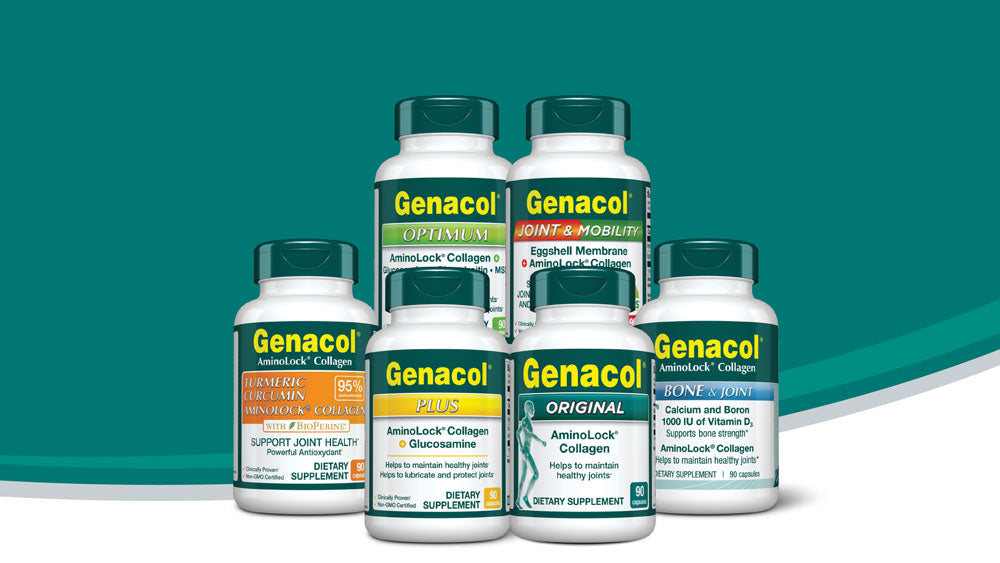

On the supplement market, there are several types of collagen, the most popular being bovine collagen and marine collagen. Both are hydrolyzed forms of collagen (peptides), but their origins, characteristics, and uses vary. We use bovine-sourced collagen for specific reasons, which we explain in this article.
A Question of Source and Composition
Marine collagen is extracted from the skin, scales, or bones of fish, while bovine collagen comes from the connective tissues (such as hides) of cattle. These two natural sources are processed into hydrolyzed collagen, meaning they’re broken down into smaller peptides for easier absorption.
Each type of collagen contains different bioactive peptides. For example:
- Marine collagen is rich in Ala-Hyp-Gly, a peptide associated with skin elasticity and hydration.
- Bovine collagen contains Pro-Hyp and Gly-Pro-Hyp, peptides associated with joint cartilage support and joint health.
Different Uses for Different Needs
Marine collagen is often recommended for its skin benefits, particularly due to its peptide profile linked to skin regeneration. It’s popular in anti-aging products, skincare, and supplements for dermatological health. Bovine collagen, on the other hand, is more strongly associated with the health of bones, muscles, and joints. This is why it’s commonly chosen for supplements designed to support mobility, joint comfort, and connective tissue strength.
The Unique Case of Genacol AminoLock Collagen
It’s sometimes said that bovine collagen is harder to absorb than marine collagen. This may be true for certain brands, but not for Genacol.
Our AminoLock Collagen is produced using a patented technology that breaks down bovine collagen molecules to a molecular weight below 1 kDa, which is much lower than the market average (often around 3–5 kDa for marine collagen).
The result? Scientific research has shown excellent absorption and supports joint comfort and mobility.
Excellent Compatibility with the Human Body
Bovine collagen has a structure very similar to human collagen, making it highly compatible with our bodies. This means the body recognizes it easily, tolerates it well, and can use it effectively to support natural tissue maintenance.
In addition, our collagen shows low immune reactivity. In other words, it’s unlikely to trigger an immune system response, which contributes to its excellent tolerance, especially for sensitive individuals.
Responsible and Sustainable Production
Choosing bovine collagen at Genacol also reflects a resource-conscious approach. We use by-products of the food industry (such as bovine hides), which helps reduce waste and maximize the use of animal resources already mobilized for human consumption.
By contrast, the sustainability of marine collagen largely depends on the fishing practices employed. Some sources may have a higher environmental impact if they don’t meet strict resource management standards.
Clinical Research Supporting Joint Health
Thanks to our exclusive technology, we obtain unique peptides whose benefits for joint comfort and mobility have been supported by independent clinical research. These studies notably demonstrate a reduction in joint discomfort and an improvement in mobility for users of Genacol supplements.
This isn’t just a difference in source, but rather the combination of the collagen type we use and Genacol’s specific manufacturing process.
Choosing between marine and bovine collagen depends on your goals: skin appearance or joint health. We chose bovine collagen for its compatibility with the human body, its demonstrated support for joint health, and the superior quality we achieve through our patented AminoLock technology. It’s a natural choice based on tangible scientific evidence.