
Knee discomfort can affect anyone. Simple movements become difficult, and every step can feel uncomfortable. Therefore, understanding the importance of flexibility, mobility, and strengthening in managing discomfort is essential. In this article, we provide exercises accessible to everyone, designed to support, stretch, and improve knee mobility, offering an active approach to managing the discomfort that affects this crucial joint.
A Complex Joint
Our knees are engaged whenever we stand up, walk, run, jump, or use our legs. This makes it one of the joints in the body under the most pressure daily. Furthermore, the knee is a complex joint, composed notably of the femur, the longest bone in the body. It also includes a set of muscles, tendons, ligaments, menisci, and other joint structures that ensure proper functioning.
It is important to note that knee discomfort can have multiple causes. Each joint structure can be affected by an injury or a problem, resulting in stiffness within the joint.
Exercise Program: Three Aspects to Consider
An active approach, including a regular exercise program, is recommended for managing knee discomfort and supporting knee health. It is essential to understand that this program should incorporate exercises targeting three specific aspects of physical condition: flexibility, mobility, and strengthening.
Flexibility
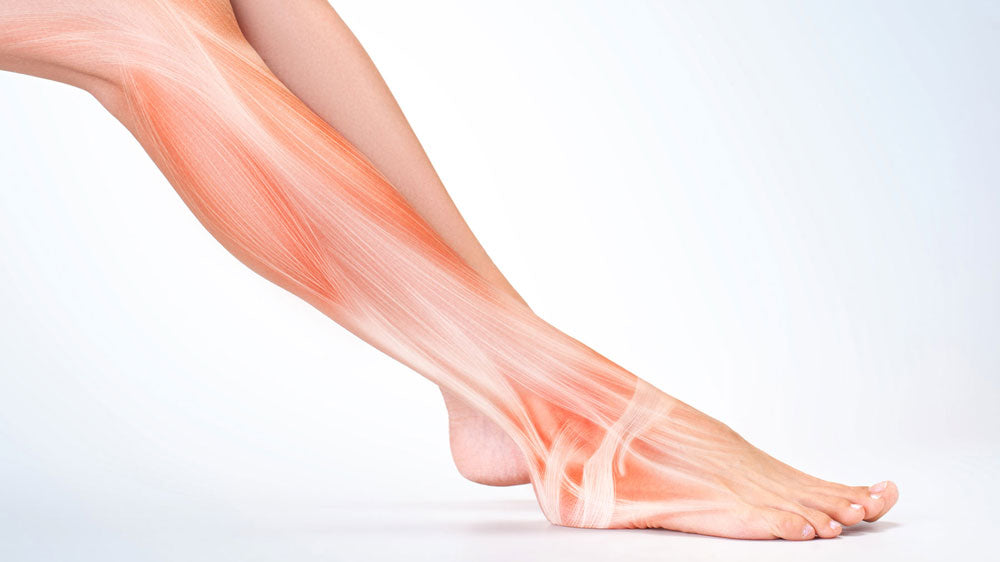
Flexibility refers to the ability of muscles and tendons to stretch without causing damage. Good flexibility reduces tension. More flexible muscles can absorb shocks and stress more efficiently, thus reducing the risk of discomfort. Muscles such as the quadriceps and hamstrings play a crucial role in the context of the knees.
Mobility
Mobility refers to the ability of a joint to move through its full range of motion, meaning bending, extending, and rotating. Increased mobility promotes adopting good postures, thereby reducing pressure on the joints. Improving knee mobility can also improve smoother movements, especially during physical activity.
Strengthening
Strengthening involves developing muscle strength around the knee joint, including the quadriceps, hamstrings, and calf muscles. Strong muscles provide structural support to the joints, reduce pressure on the knees, and enhance stability. Targeted strengthening can also help prevent muscle imbalances, which are crucial for avoiding discomfort.
Combining these three elements in an exercise routine can create muscular balance, improve knee stability, and reduce joint stress. However, these exercises must be tailored to the individual’s fitness level. Therefore, it is always recommended to consult a healthcare professional before starting a new exercise program, especially if you experience persistent discomfort. In this regard, a physiotherapist has the expertise to assess fitness and propose a perfectly tailored program based on defined goals.
Exercises to Include in the Physical Activity Routine
Here is a list of exercises focused on flexibility, mobility, and strengthening to alleviate knee discomfort. These can be easily performed at home or in the gym with minimal equipment.
Quadriceps Muscle Stretches
Stand, bend your knee, and grab your ankle behind you, bringing your heel toward your buttocks. Maintain the position for 15 to 30 seconds and repeat on the other side.
Hamstring Stretch
Sit on the floor with one leg extended and the other bent. Lean forward with your upper body, trying to touch your toes. Maintain the stretch for 15 to 30 seconds and alternate with the other leg.
Single-Leg Balance
While standing, slightly bend one thigh and lift the foot of the other leg. Gently move your foot, pointing it in different directions – front, side, and back. Perform ten rounds with each leg, repeating this series three times on each side.
High-Knee Marching in Place
Lift your knees as high as possible while walking or jogging in place. Do this for 1 to 2 minutes.
Modified Squats
Stand against a wall with feet hip-width apart. Bend your knees and descend along the wall, ideally until your thighs are parallel to the floor. Perform three sets of 10 repetitions.
Bridge Exercise (Hip Raises)
Lie on your back, feet flat on the ground, about hip-width apart. Gently lift your buttocks until your abdomen and thighs form a straight line. Hold the position for 1-2 seconds, contracting the buttocks. Perform three sets of 10 to 15 repetitions.
It is essential to consult a professional before starting an exercise program, particularly if you have a specific medical condition. Furthermore, consulting a doctor is preferable to determine the cause of the discomfort.
Do you need a boost to support your knee discomfort?
Genacol offers a range of supplements for joint health, ideal for supporting an active life with comfortable, flexible knees. Genacol Optimum contains ultra-hydrolyzed AminoLock Collagen, Glucosamine, Chondroitin, and MSM, four key ingredients that help maintain joint health. This complete formula helps support joint comfort in the context of joint wear and helps maintain healthy cartilage.