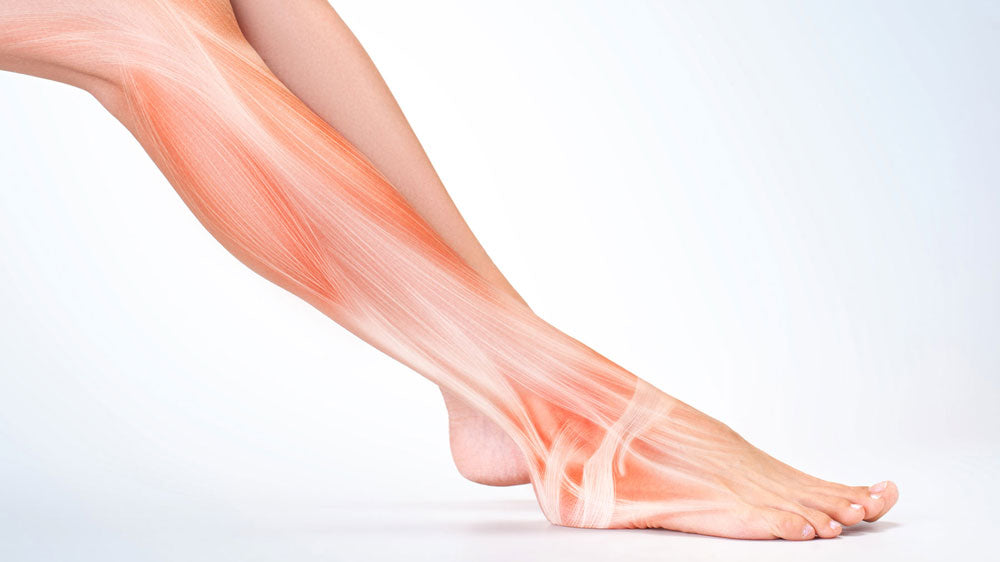

Joints are complex parts of our body, but they work wonders to ensure our mobility when they are not affected. Nevertheless, more than 5 million Canadians, about 1 in 6 people, are affected by joint wear and cartilage deterioration. Joint wear can cause cartilage and bone in certain joints to deteriorate, affecting the way these joints function.
Fortunately, we offer you a few tips below that can help if you are experiencing joint wear and age-related joint changes. These tips are designed to help provide better joint protection, notably to support joint comfort in the context of joint wear.
Tips to protect your joints
Change position regularly
Our sedentary lifestyle poses many risks to our health. When we refer to a sedentary lifestyle, we mean activities in which energy expenditure is zero (or almost zero), such as watching television or sitting at a desk for an extended period. In such situations, it is essential to change positions frequently. A sedentary lifestyle puts a lot of pressure on the joints since we rarely adopt ergonomic positions. Taking time to stand up or take a short walk is a good way to change position regularly and reduce the negative effects on joint health.
Adapt your activities to your level of joint discomfort
Listen to your body and consider your current level of joint discomfort when planning your activities. When your discomfort is more pronounced, it’s better to adapt your activities and the level of effort required.
Maintain joint strength and mobility
Joint wear does not mean we should avoid all activities that stretch our joints; rather, it means we should be cautious. In fact, joints that remain inactive or underused are at risk of gradually losing their mobility; they will be able to perform movements with a reduced range of motion and for a shorter period. In this sense, it is essential to maintain good joint mobility by engaging in regular stretching exercises or practicing yoga, which enables you to perform exercises with a wide range of motion.
Avoid risky activities for your joints
Sports and activities involving jumps and/or sudden movements (changes in direction, repeated impacts, etc.) pose a risk to your joints, especially when you are experiencing joint wear or age-related joint changes. It is therefore better to engage in less strenuous activities, such as Nordic walking, swimming, or cycling.
Watch your diet
Several types of food can help support joint comfort and overall well-being. Read this article to learn more about the relationship between diet and joint discomfort.
Why is it important to protect your joints?
If you are experiencing joint wear and age-related changes in your joints, you should follow these tips to help you:
- Reduce or manage your joint discomfort while engaging in activities that are important to you.
- Support a balanced response to everyday joint stress.
- Maintain joint mobility.
- Help limit changes in joint alignment that can occur over time due to joint wear.
Finally, a consultation with a health care professional may be appropriate. First, it would help you better identify the factors that aggravate joint discomfort, allowing you to highlight concrete actions to counteract them. Additionally, your doctor will be able to advise you on whether taking supplements to prevent joint discomfort is appropriate and safe for you.