
Have you ever heard of free radicals? Often mentioned in the health field, few truly understand what they are and, more importantly, how they affect our bodies. These unstable molecules can cause damage to our system.
In this article, discover what free radicals really are, their impact on our bodies, and, most importantly, how the right diet can help combat them effectively.
Free Radicals and Their Effects on the Body
Free radicals are unstable molecules that contain one or more unpaired electrons. This instability makes them highly reactive, causing them to easily interact with other molecules in the body, such as lipids, proteins, and DNA. These interactions can lead to cellular damage.
According to the Canadian Cancer Society, “Free radicals can accumulate in cells and cause damage to other molecules, which may increase the risk of cancer and other diseases.”
The damage caused to healthy cells by free radicals is known as oxidative stress. This phenomenon is believed to play a crucial role in the development of various diseases, occurring when the concentration of free radicals exceeds the body’s ability to neutralize them with antioxidants.
Did you know?
The production of free radicals is a natural part of the body's functioning. For example, when fighting an infection, the body generates these molecules to eliminate pathogens. However, chronic inflammation leads to excessive production of free radicals, which exacerbates cellular damage. This is why managing inflammation effectively is essential for maintaining overall health.
The Main Sources of Free Radicals
Free radicals can originate from various sources, some of which are unavoidable, while our lifestyle choices influence others. Here are the main sources:
Air Pollution
Harmful airborne particles from pollution can generate free radicals when inhaled.
Smoking
The combustion of tobacco and the numerous chemicals in cigarettes release large amounts of free radicals, leading to cellular damage.
Diet
Excessive consumption of processed foods and refined sugars promotes the production of free radicals due to the use of artificial additives and processing methods.
UV Radiation
Prolonged sun exposure without protection stimulates the formation of free radicals in the skin, accelerating aging and increasing the risk of cellular damage.
Stress
Chronic stress increases free radical production in the body, contributing to inflammation and premature cellular aging.
The Role of Antioxidants in the Fight Against Free Radicals
Antioxidants are compounds that neutralize free radicals, thereby reducing cellular damage. They work by donating an electron to free radicals, stabilizing these unstable molecules and preventing harmful reactions within the body. Many foods are naturally rich in antioxidants, including:
Fruits and Vegetables
Berries, citrus fruits, spinach, and carrots are particularly rich in vitamins C and E, powerful antioxidants that help protect cells from damage.
Green Tea
Rich in polyphenols, green tea is renowned for its potent antioxidant properties and its role in mitigating oxidative stress.
Nuts and Seeds
Sources of fatty acids, such as omega-3s, as well as nuts and seeds, act as antioxidants and help combat oxidative stress.
Spices
Spices like turmeric and ginger contain antioxidant compounds that are beneficial to the body.
By incorporating these foods into our daily diet, we can reduce the accumulation of free radicals and, consequently, lower the risk of diseases associated with oxidative stress.
Support your body against free radicals
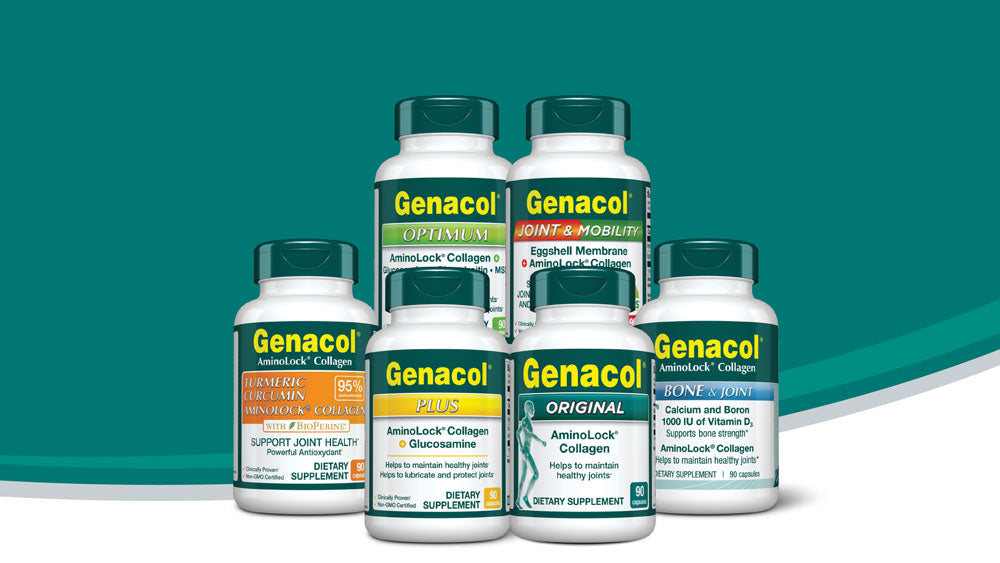
Our Genacol Turmeric Curcumin supplement features turmeric, known for its long history of traditional use and its role in supporting joint comfort and overall wellness, especially in the context of joint wear and everyday joint stress.
If you experience joint discomfort and are concerned about the effects of free radicals on your overall health, this supplement could be a valuable ally in supporting joint comfort.