
Falls pose a significant threat to our health, particularly as we age. For older adults, a simple fall can have serious consequences, including injuries that may limit mobility and reduce independence. Because recovery can be longer and more challenging with age, focusing on fall prevention is one of the most effective ways to help seniors stay active, safe, and confident in their daily lives.
This includes maintaining and/or improving balance, a key factor in preventing falls. Discover tips for developing your balance as you read on!
Aging, balance, and proprioception
Balance is inevitably affected by aging. As we age, there’s a decrease in the functioning of several systems that are closely related: the visual system, the vestibular system in the inner ear, as well as the proprioceptive system.
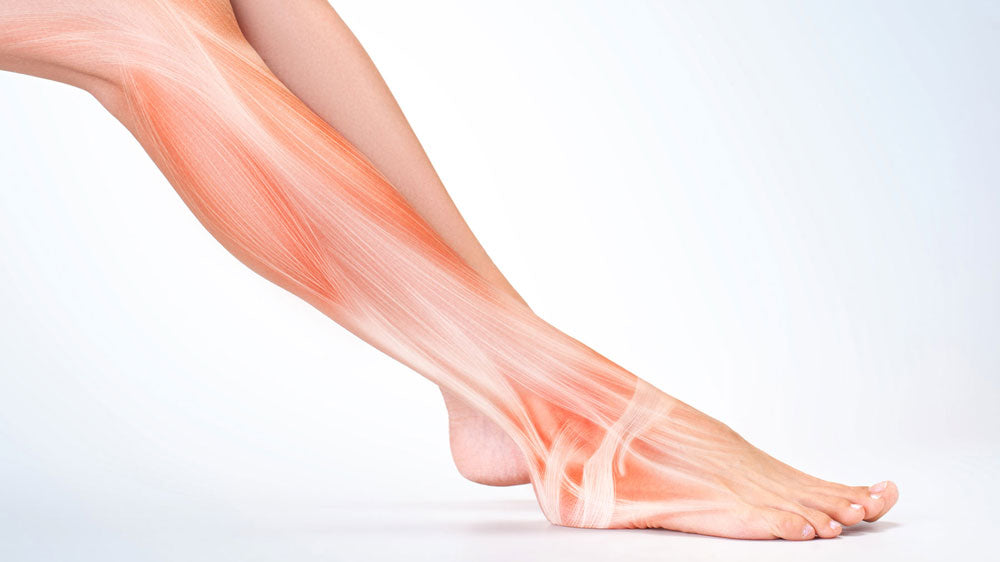
Proprioception is intimately linked to balance. It is a function, both conscious and unconscious, by which we perceive the different parts of our body in space, allowing us to maintain our balance even when our eyes are closed or we move in the dark. Muscles, bones, tendons, and joint components play an essential role in proprioception by sending signals to our nervous system, allowing us to coordinate our movements effectively.
In addition to aging, other factors can affect proprioception and, with it, balance:
- Injuries affecting muscles and different parts of the joints (sprains, torn ligaments, tendonitis, etc.);
- Health conditions that may affect joint function;
- A sedentary lifestyle caused by a lack of physical activity.
Improving balance and proprioception
To prevent falls, it is possible to work on balance from a young age. We need to focus on prevention and maintaining proprioceptive skills to prevent premature aging of the body. In addition to helping maintain or develop balance, these exercises help improve joint strength and flexibility. Joints also play a significant role in maintaining balance and preventing falls.
At-home exercises
Several exercises can be done daily, directly at home, to improve balance and proprioception. A doctor, physiotherapist, or kinesiologist can recommend exercises tailored to your condition and needs. Here are a few suggestions of exercises that can be done to achieve this goal:
Stand on one leg by lifting the knee of the other leg in front of you and hold the position for a few seconds. Variations can be made to alter stability (e.g., lifting the arms) or to improve stability (e.g., holding the back of a chair).
Perform the airplane positionby standin i.e., stand firmly on one leg while lifting the other leg behind you and leaning your torso forward, so that the legs and body form a T shape. The arms can be stretched backwards, parallel to the raised leg, to help with stability.
Exercises such as squats, lunges, or push-ups can be performed on an unstable surface (balance board, half-ball, etc.).
Physical activity to improve balance
Several types of physical activity can help develop balance and improve proprioception. These activities help develop joint strength and flexibility:
- Tai chi;
- Yoga;
- Walking in the forest (because of the different types of surfaces and obstacles);
- Many types of stretching.
Taking supplements for joint health
As mentioned earlier, the different structures that make up the joints play a significant role in the proprioceptive system and in maintaining good balance. It is important to look after joint health, which naturally evolves with age and can be influenced by various factors.
Genacol products contain AminoLock Collagen, which helps support the health of cartilage, ligaments and tendons that make up the joints. Since the body’s collagen production decreases as early as age 30, it may be appropriate to include supplements in your daily routine to support overall joint wellness as you age.
Finally, before including a new exercise regimen in your daily routine and/or taking supplements, we advise you to consult a health care professional. He or she will be able to make sure that all of this is appropriate for you, in addition to offering personalized advice to support your joint health, proprioception and overall mobility.