
By the time you’re in your fifties, you may be experiencing joint discomfort, stiffness and a lack of flexibility. In short, it’s an age when you seem to be “aching all over”…
For women, the usual consequences of aging on joint function are compounded by the effects of menopause. With its arrival, many women expect hormonal and emotional changes. Often overlooked, however, is the fact that menopause can also lead to persistent joint discomfort Let’s find out why these sensations occur and how to manage them effectively.
Menopause, Estrogen and Joint Discomfort
It’s a well-known fact: menopause means the end of menstruation and a reduction in the production of sex hormones, including estrogen. The effects of this decline on joint function are not uncommon. In fact, around 50% of women in menopause or premenopause claim to suffer from this. But why?
Estrogen is associated with the control of inflammation within joint structures. These natural processes can be influenced by a variety of factors, including certain impact sports, a sedentary lifestyle, stress and diet. When joint inflammation occurs, there is usually swelling of the joint, causing stiffness and affecting movement. What’s more, estrogen modulates the nervous system’s perception of pain. It is therefore understandable that a reduction in its production can exacerbate the intensity of joint discomfort.
In the majority of cases, joint stiffness and discomfort are felt upon awakening, i.e. after a period of prolonged inactivity due to sleep. As we become more active, these tend to diminish. Hips and knees are frequently affected, as are wrists and hands.
How to Control Joint Discomfort During Menopause?
Certain factors and lifestyle habits can contribute to joint discomfort. It’s possible to feel better overall by adopting habits that support joint comfort during menopause. Here are a few lifestyle tips to put into practice:
1. Maintain an active lifestyle
Focus on low-impact activities such as swimming, yoga, Pilates, walking, cycling, etc. Avoid activities that put excessive pressure on joints, such as jogging on hard surfaces.
2. Maintaining a healthy body weight
Excess weight puts a lot of pressure on joints and encourages the development of problems such as osteoarthritis. Controlling body weight can reduce the load on joints.
3. Control stress
The stress hormone cortisol reduces the body's tolerance to pain. Effective stress management through relaxation techniques, meditation, physical activity, social support and other methods is therefore relevant.
4. Adopt a healthy diet
Focus on foods that help reduce inflammation, such as fruits, vegetables, omega-3-rich fish and anti-inflammatory spices like turmeric In addition, ensure a good calcium intake to support bone health during menopause.
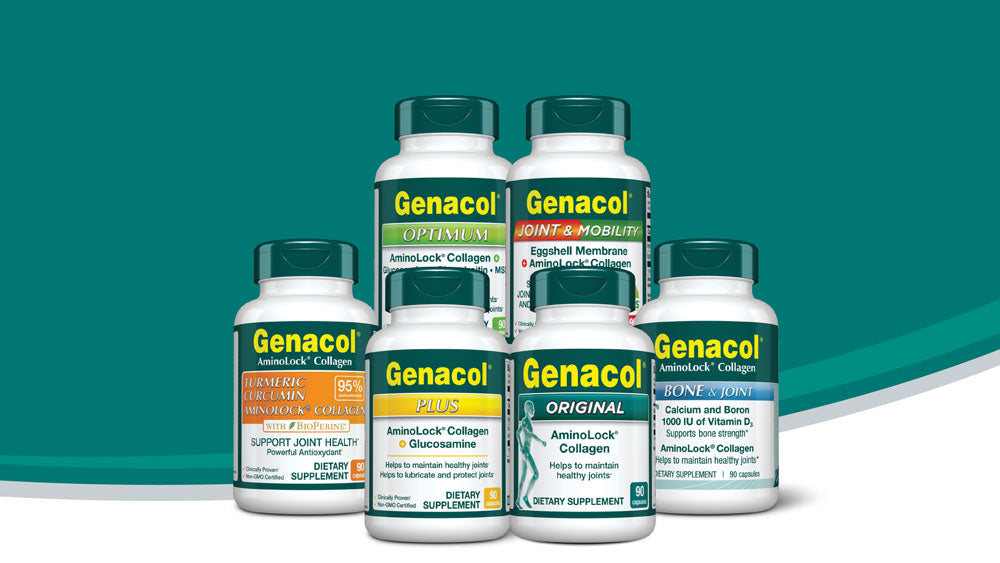
Genacol Supplements
To support joint comfort, we recommend our Genacol Turmeric Curcumin supplement. Naturally, it contains our AminoLock Collagen, which helps support cartilage health as part of overall joint wellness. What’s more, it contains active ingredients that help support the body’s natural response to everyday physical stress.
Our product line also includes Genacol Bone & Joint, a comprehensive formula of essential vitamins and minerals to support bone strength and maintain your joints healthy.
Make Genacol supplements part of your daily routine. Don’t wait if you’re concerned about your joint health! Our supplements are all-natural, safe solutions (except for a few contraindications) for preserving healthy joint structures while promoting their proper functioning.