
In the pursuit of optimal physical fitness, it is common to underestimate the importance of joint flexibility. Even in individuals with excellent physical condition, the absence of this component is a reality. Today, we enter the often-overlooked world of joint flexibility and explore simple ways to enhance this crucial aspect of our physical well-being.
Flexibility: A Frequently Neglected Component of Physical Fitness
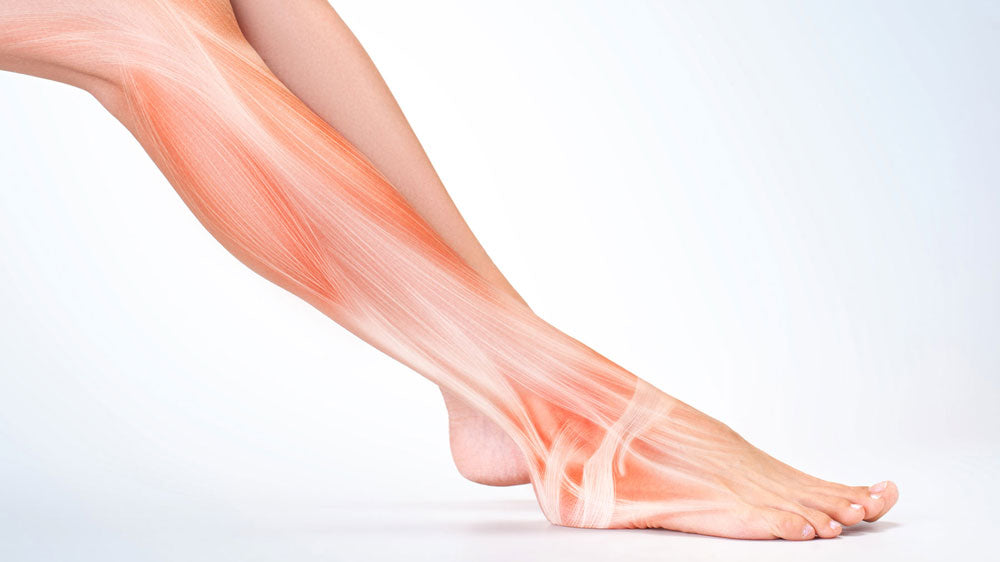
Flexibility, from an anatomical perspective and in the context of physical activity, refers to the ability of the muscle and connective tissues surrounding a joint to stretch and move within a given range of motion. It is often measured by the joint’s capacity to perform movements in various directions without encountering restrictions or discomfort.
What Are the Factors that Influence Flexibility?
Flexibility is the result of various factors, including the anatomical structure of joints (mobile, semi-mobile, etc.), the elastic properties of muscles, tendons, and ligaments, among others. Beyond these anatomical and physiological factors, joint flexibility and mobility are also influenced by lifestyle and health. In this regard, here are the factors that impact it:
-
-
Age
Joint flexibility tends to decrease with aging. Connective tissues, such as tendons and ligaments, lose their elasticity, resulting in a reduction in range of motion. A decrease in the hydration of these tissues primarily explains this. -
Levels of Physical Activity
An active lifestyle and regular exercise can help maintain and improve joint flexibility. Muscles tend to retain their flexibility when frequently engaged. -
Body Temperature
Muscles exhibit greater flexibility when the body temperature is elevated. Hence, it is recommended to perform warm-up exercises before engaging in activities requiring flexibility, as this promotes blood circulation and increases body temperature. -
Hydration
Adequate hydration is essential for the health of connective tissues. Well-hydrated joints are better equipped to maintain optimal flexibility. -
Medical Conditions
Certain medical conditions, such as joint wear and age-related cartilage deterioration, can affect joint flexibility due to associated stiffness and discomfort. -
Sedentary Lifestyle
Maintaining a sedentary lifestyle can contribute to joint stiffness. Prolonged periods of sitting can lead to a decrease in flexibility, especially in the muscles of the lower back, hips, and legs.
-
Age
Concrete Impacts on Quality of Life
Flexibility plays a crucial role in various aspects of daily life and physical activity. It can enhance athletic performance by allowing a greater range of motion, reduce the risk of injuries by facilitating better shock absorption, and promote proper posture by enabling better joint alignment.
Conversely, a lack of flexibility can lead to various consequences in daily life. It increases the risk of injuries due to muscle tension, causes postural issues, leads to joint discomfort, and restricts mobility. These impacts are tangible; for instance, mundane tasks like lifting a heavy bag from the floor can become significantly more challenging in the absence of flexibility.
The Different Types of Stretches
To enhance flexibility, it is essential to incorporate regular stretching exercises into our routine. A practice of 10-15 minutes, repeated at least three times a week, can make a significant difference. Flexibility-focused training programs typically include a combination of various types of stretches to improve both muscle and joint flexibility.
Dynamic Stretches
These stretches are performed during movement, such as trunk bends or lunges. They serve as excellent warm-up exercises before a workout.
Active Stretches
They involve active positions held for a few seconds. Yoga often incorporates stretches of this nature.
Passive Stretches
These stretches involve maintaining a stretched position with the support of an external force, such as a partner, elastic band, or towel.
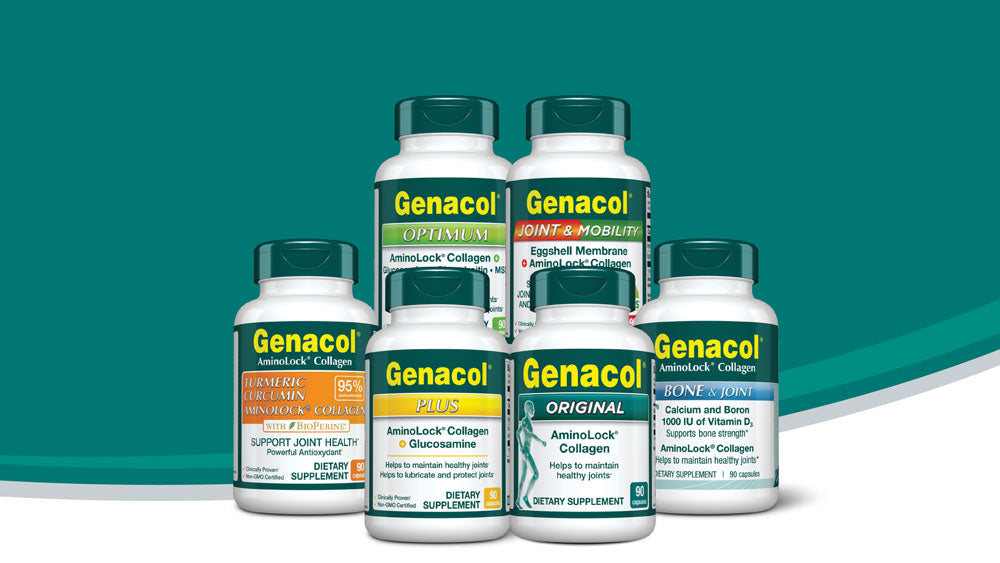
Genacol Joint & Mobility
Does joint discomfort related to joint wear limit your range of movement? By incorporating the natural supplement Genacol Joint & Mobility into your routine, you can support your ability to engage in stretching exercises, which in turn helps promote joint flexibility and mobility.
Our product, Genacol Joint & Mobility, is specially formulated to support joint comfort in the context of cartilage wear and to help maintain flexibility and mobility. This supplement contains our ultra-hydrolyzed AminoLock Collagen, an active ingredient that supports the body’s ability to maintain the quality of cartilage within the joints. It is well known that the degradation of cartilage, which accelerates with age, is responsible for joint wear. Additionally, this supplement includes eggshell membrane, a recognized ingredient for its role in supporting joint comfort and helping maintain the elasticity of connective tissues.
At Genacol, we are committed to offering solutions that support joint comfort in the context of joint wear and to raising awareness about joint health. Remember that flexibility is essential to good physical condition, especially as we age.